
Introduction
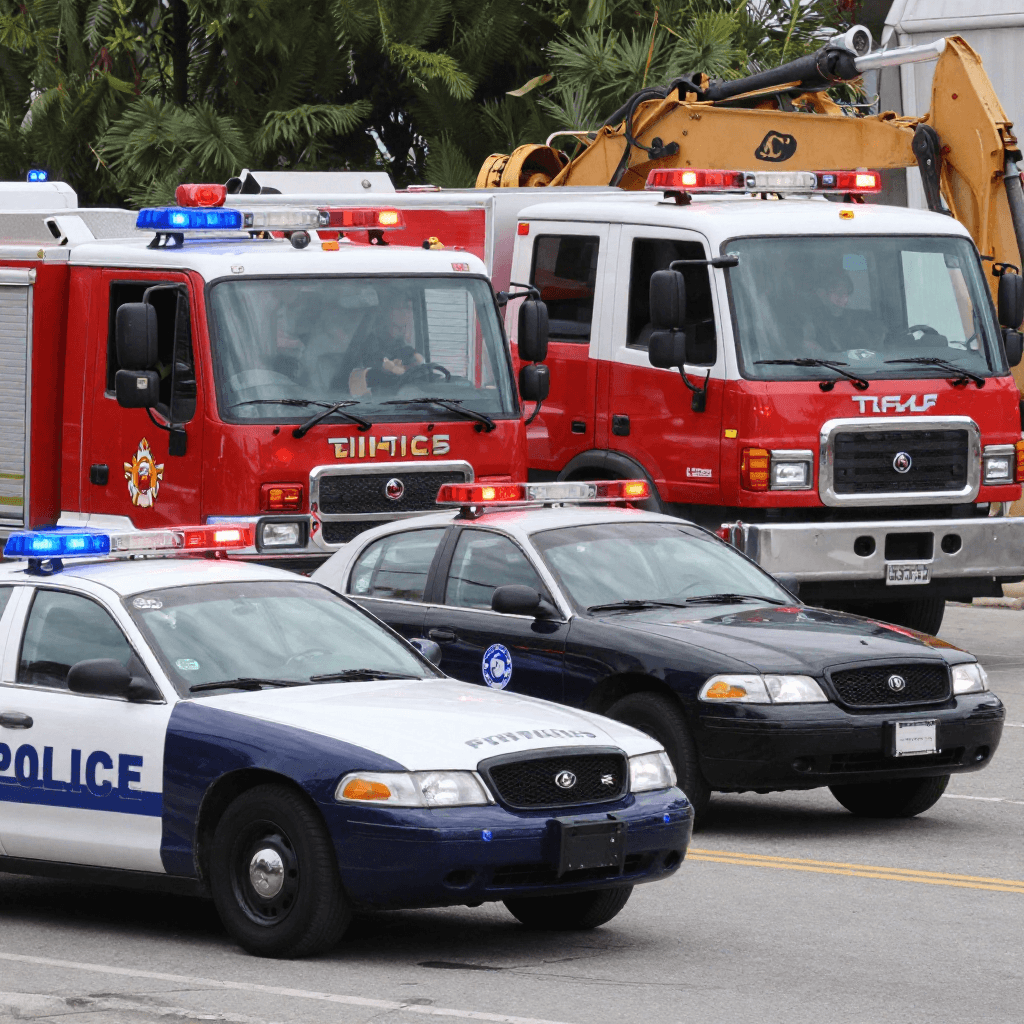
LED warning lights for emergency vehicles are not just accessories. They help police cars, fire trucks, ambulances, rescue vehicles, tow trucks, and municipal fleets become more visible in urgent or hazardous situations.
Emergency vehicle lighting is used to visually announce a vehicle’s presence, warn other road users, indicate urgency, or provide extra warning around a stationary hazard. Common forms include light bars, beacons, grille lights, and other visual warning devices.
For buyers, the real challenge is not simply finding a bright light. It is choosing the right warning light for the vehicle type, working scenario, installation position, and local compliance requirements.
In this guide, we will walk through the main types of LED warning lights for emergency vehicles, how to choose the right product, what to check before installation, and what to consider when buying in bulk.
What Are LED Warning Lights for Emergency Vehicles?
LED warning lights for emergency vehicles are visual signaling devices installed on vehicles that need to alert surrounding traffic, pedestrians, or work crews.
They are commonly used on:
- Police vehicles
- Fire trucks
- Ambulances
- Rescue vehicles
- Tow trucks
- Roadside assistance vehicles
- Utility vehicles
- Municipal service vehicles
- Construction and road maintenance vehicles
Unlike standard hazard lights, emergency warning lights are usually brighter, more visible from different angles, and available in specific colors or flash patterns for professional use. Emergency vehicle lights may include motorized rotating beacons, xenon strobes, or LED arrays, depending on the vehicle and market requirements.
Today, LED warning lights are widely used because they can provide strong brightness, fast flashing response, lower power consumption, and flexible product designs.
Main Types of LED Warning Lights for Emergency Vehicles
Different vehicles require different lighting layouts. A police car, ambulance, fire truck, and tow truck should not always use the same warning light setup.
Below are the most common product categories.
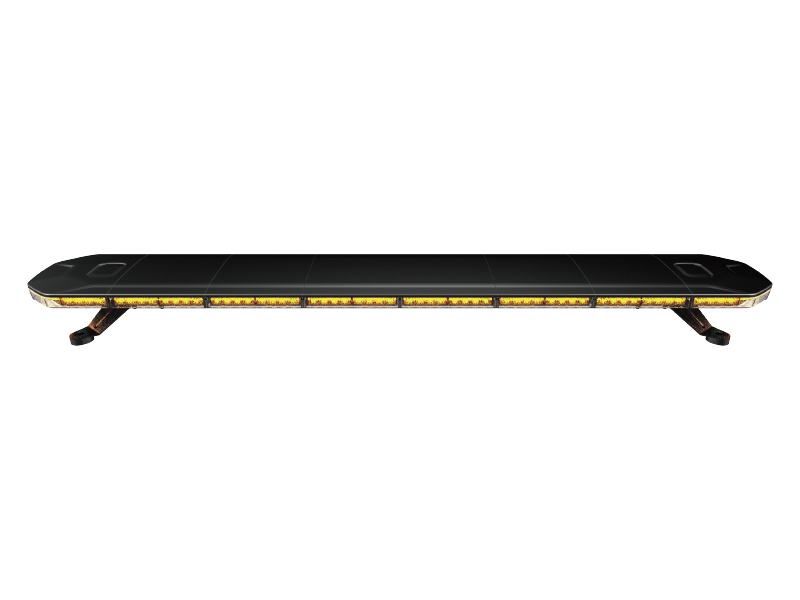
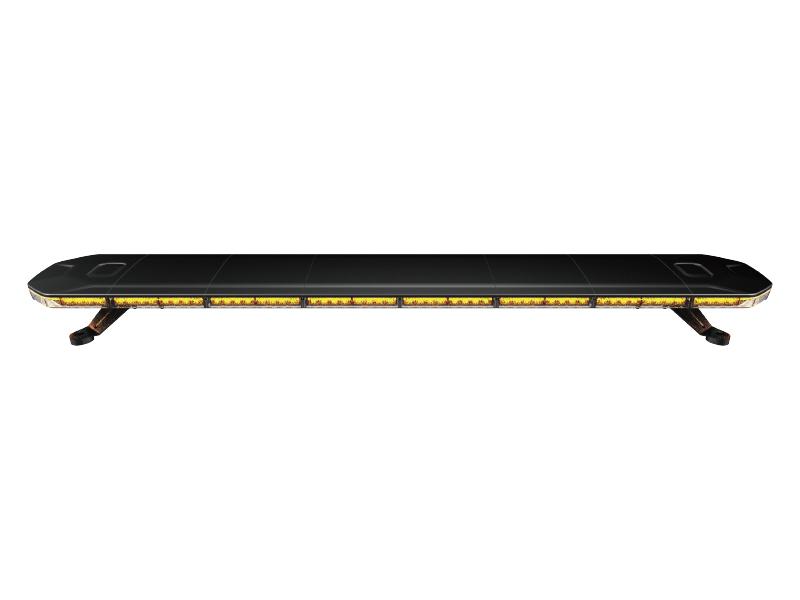
LED Light Bars
LED light bars are one of the most common warning lights for emergency vehicles. They are usually mounted on the roof of the vehicle to provide strong front, rear, and side visibility.
They are often used on:
- Police cars
- Fire trucks
- Ambulances
- Rescue vehicles
- Command vehicles
- Highway response vehicles
A full-size LED light bar is usually suitable when the vehicle needs strong all-around visibility. It can include multiple colors, several flash patterns, alley lights, takedown lights, and controller integration.
When selecting an LED light bar, buyers should pay attention to the length, mounting method, voltage, color configuration, light output, and waterproof rating. Some emergency light bars are categorized by SAE intensity classes. SAE-rated lights may use next-gen optics to improve visibility.
Mini LED Light Bars
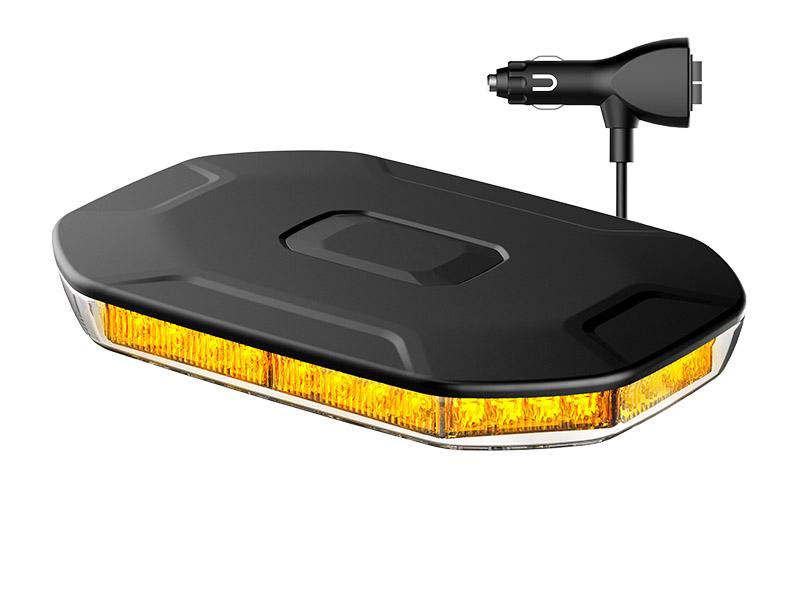
Mini LED light bars are smaller than full-size light bars. They are often used on service vehicles, tow trucks, utility vehicles, and temporary work vehicles to match specific needs such as temporary or lower-profile vehicle setups.
They are suitable when the buyer needs:
- Compact size
- Easy installation
- Lower cost than a full-size light bar
- Amber warning function
- Magnetic or permanent mounting options
Mini light bars are especially useful for fleets that need visibility but do not require a large emergency response lighting system.
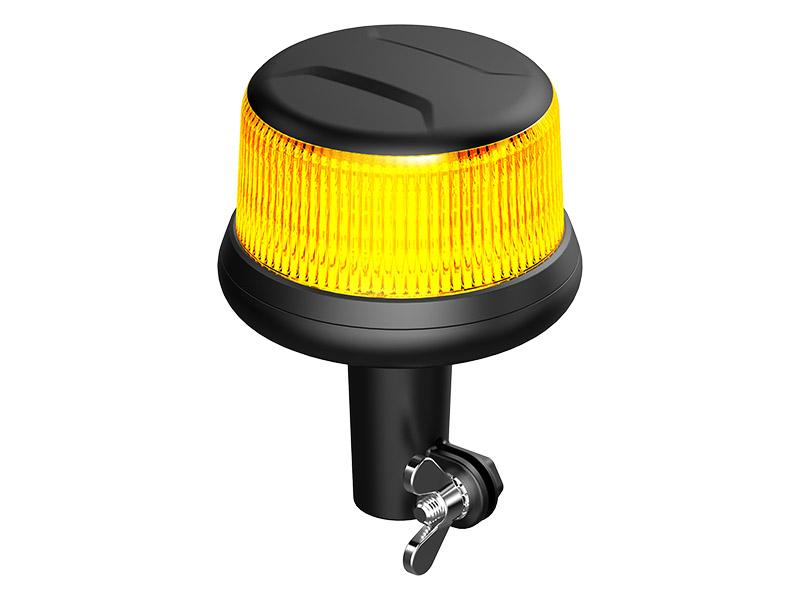
LED Beacon Lights
LED beacon lights are compact warning lights that usually provide strong 360-degree visibility.
They are commonly used on:
- Road maintenance vehicles
- Municipal vehicles
- Tow trucks
- Utility trucks
- Construction vehicles
- Forklifts and industrial vehicles
Beacon lights are often selected for simple, highly visible warning applications. They may be installed by bolt mounting, pipe mounting, or magnetic mounting, depending on the product and vehicle.
Grille Warning Lights
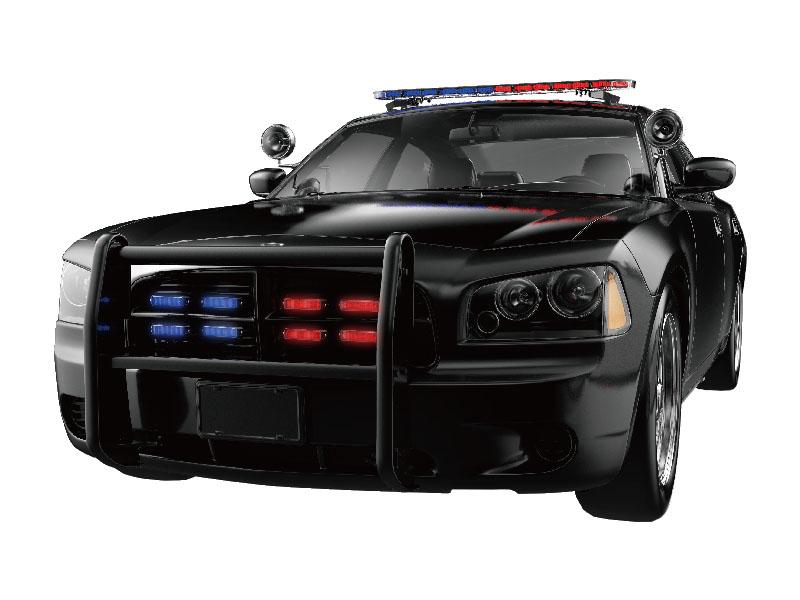
Grille warning lights are installed in the front grille area of a vehicle. They are smaller than light bars but can provide strong forward-facing warning.
They are often used on:
- Police vehicles
- Fire command vehicles
- Ambulances
- Rescue vehicles
- Volunteer response vehicles
Grille lights are useful when a vehicle needs extra front visibility or a more discreet installation. They are often combined with roof light bars, dash lights, or surface mount lights. They are often chosen by first responders who want extra front visibility without a large roof setup, including volunteer firefighters using personal vehicles or command vehicles where allowed.
Surface Mount Warning Lights
Surface mount LED warning lights can be installed on the front, rear, side, bumper, or body panel of a vehicle.
They are suitable for:
- Side warning
- Rear warning
- Auxiliary warning
- Perimeter visibility
- Vehicle body lighting layouts
For larger emergency vehicles such as ambulances and fire trucks, surface mount lights can help improve visibility from multiple angles.
Directional Warning Lights
Directional warning lights are designed to guide traffic. They are often installed at the rear of a vehicle and may include arrow patterns or traffic advisor functions.
They are commonly used for:
- Accident scenes
- Roadside assistance
- Highway work zones
- Lane closure
- Traffic control
For vehicles working near moving traffic, directional warning lights can help drivers understand whether they should slow down, move left, move right, or avoid a work area.
How to Choose the Right LED Warning Light Bar
Choosing an LED warning light bar should start with the actual vehicle and application.
A product that looks good in photos may not be the right fit once installed. Size, mounting position, vehicle height, road environment, and visibility angle all matter.
Match the Light Bar to the Vehicle Type
Different vehicle types have different warning needs.
Customizable lighting layouts help outfit each vehicle correctly. A police car may need LED police lights in a full-size roof light bar with front-facing and rear-facing warning. A fire truck may need a larger lighting system with roof, side, and rear warning lights. An ambulance may need strong intersection visibility and perimeter lighting. A tow truck may mainly need amber warning lights and rear traffic direction, and the right setup depends on the vehicle’s specific needs.
Emergency vehicles such as fire engines, ambulances, police cars, snow-removal vehicles, and tow trucks are commonly equipped with intense warning lights, but the prescribed colors and usage rules differ by jurisdiction.
That is why buyers should not choose one light bar model for every vehicle without checking the actual application.
Consider the Real Working Scenario
The same vehicle may need different emergency lights depending on where it works.
For example:
- A police vehicle may need high visibility during pursuit, roadblock, or traffic stop.
- A fire truck may need visibility at fire scenes, intersections, and roadside operations.
- An ambulance may need clear front, side, and rear warning during emergency response.
- A tow truck may need strong rear warning while loading a vehicle on the roadside.
- A municipal vehicle may need amber warning while working slowly in traffic.
Roadwork and maintenance environments are especially risky because workers and vehicles may operate close to active traffic, where reliability is a priority in demanding environments and safety is the top priority for responders and work crews. Research on short-term roadwork sites notes that passive protection such as cones or beacons may not function as a physical safety barrier, which is why active warning systems can help alert workers and drivers in these environments.
Choose the Right Installation Position and Size
The installation position affects both appearance and warning performance.
Common installation positions include:
- Roof
- Grille
- Front bumper
- Rear window
- Rear body panel
- Side body panel
- Truck bed or service platform
A roof-mounted light bar may provide wide visibility, but the correct length must match the vehicle width and roof structure. A grille light may improve front visibility, but it cannot replace a full lighting system when 360-degree warning is required.
Supplier Experience: A Common Selection Mistake
In our experience serving customers, one of the most common mistakes is choosing an LED warning light bar without fully considering the vehicle type, actual working scenario, and installation position, even though supplier experience can make a real difference buyers should not overlook.
Some customers focus mainly on product appearance or price. Experienced professionals usually judge performance by real use, not just appearance. Later, they may find that the size is not suitable for the vehicle, the mounting position is not ideal, or the warning effect does not match the real working environment.
For this reason, we usually recommend customers choose an LED light bar engineered for the actual application, installation position, and installation environment, with a suitable product size.
Before choosing a model, buyers should answer three questions:
- What type of vehicle will the light bar be installed on?
- Where will the light bar be mounted?
- What working environment will the vehicle operate in most often?
These three questions can prevent many selection mistakes.
Key Applications by Vehicle Type
A good emergency vehicle lighting plan should match the vehicle’s duty.
Below are common vehicle applications and suitable product categories.
Police Vehicles
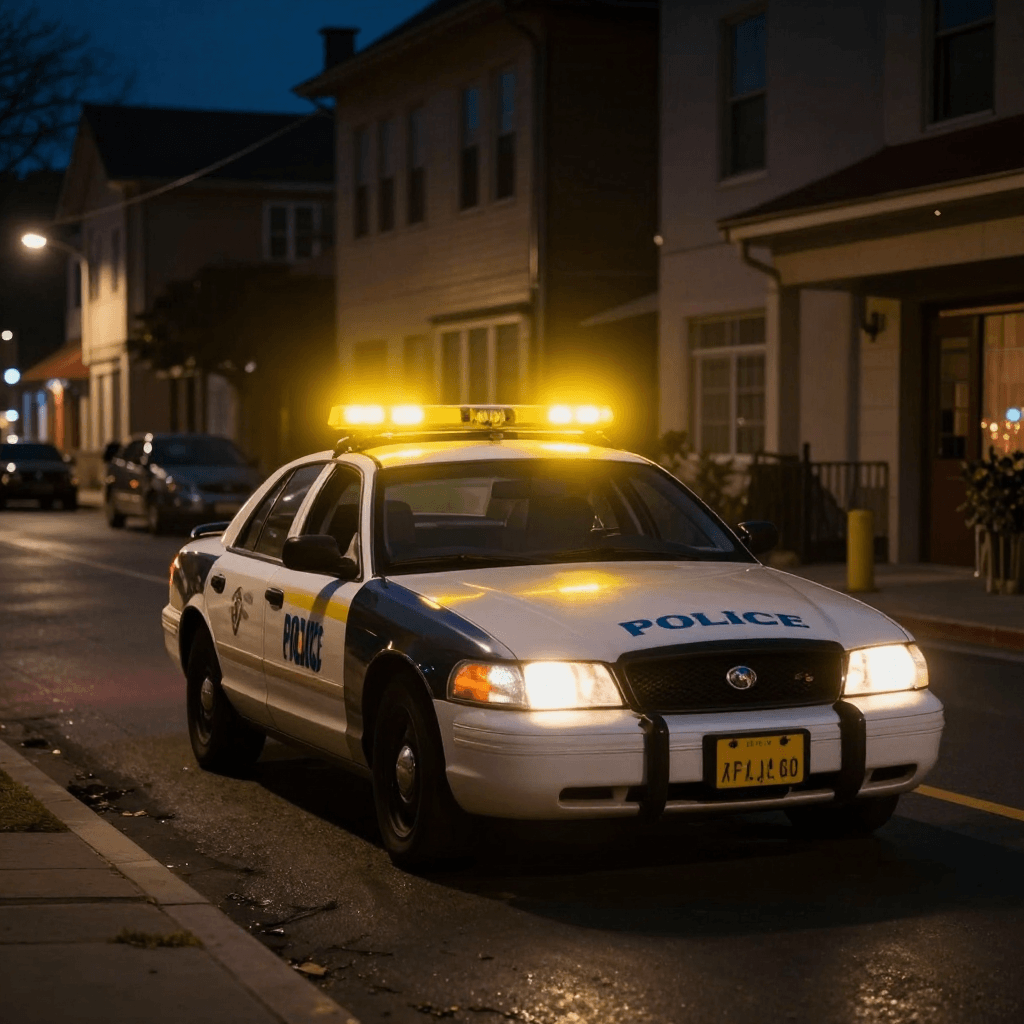
Police vehicles often use police lights to maintain strong front, rear, and side visibility.
Common products include:
- Full-size LED light bars
- Grille lights
- Dash lights
- Visor lights
- Surface mount lights
- Rear directional warning lights
These led police lights are often selected for high-performance operation and maximum visibility.
Police lighting may use red, blue, white, or amber depending on local laws and department requirements, which often prioritize reliability. Color regulations differ by country and region, so buyers should confirm legal requirements before purchasing.
Fire Trucks
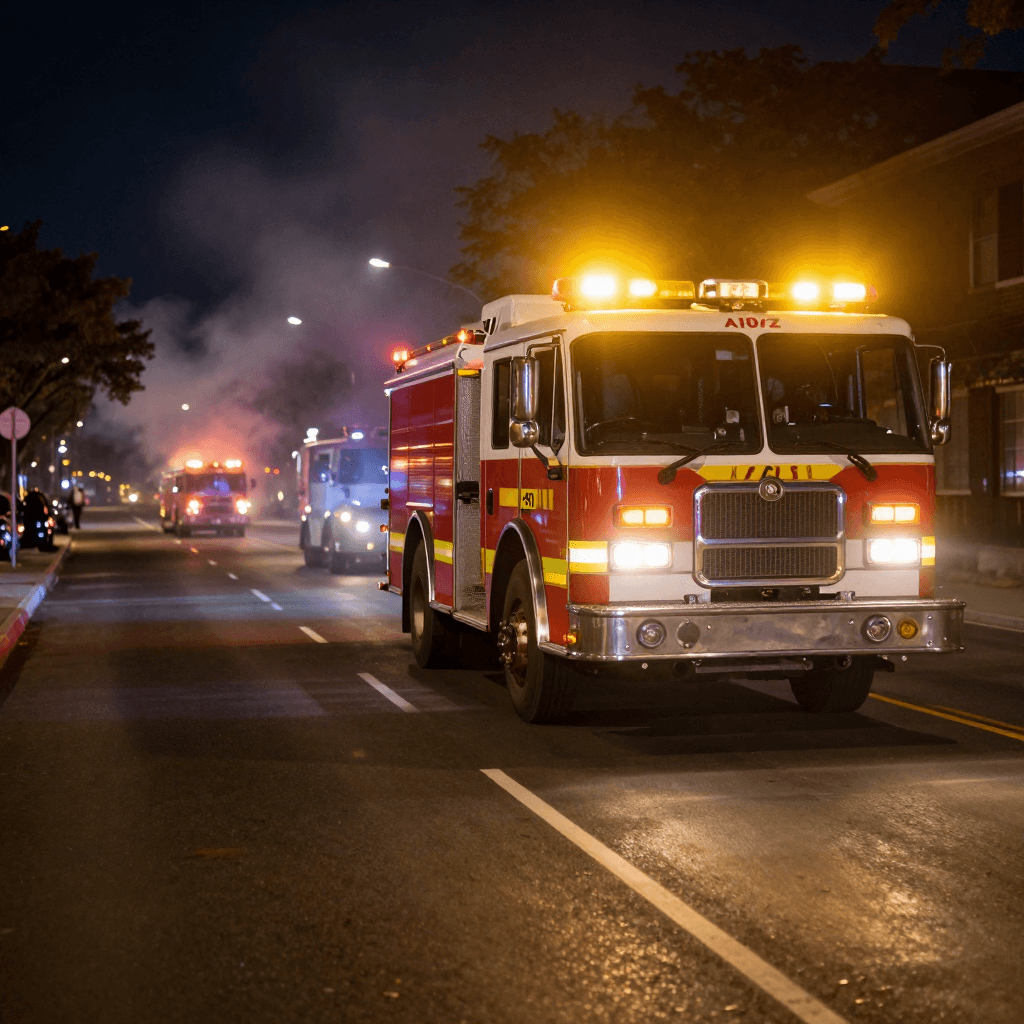
Fire trucks are larger vehicles, so they usually require stronger and wider warning coverage.
Common products include:
- Large LED light bars
- Surface mount warning lights
- Perimeter lights
- Rear warning lights
- Side warning lights
- Scene lights
NFPA 1901 was the standard for automotive fire apparatus and covered areas including low-voltage electrical systems and warning devices. It was later consolidated into NFPA 1900, which covers aircraft rescue and firefighting vehicles, automotive fire apparatus, wildland fire apparatus, and automotive ambulances.
For fire truck applications, buyers should check both product performance and applicable fire apparatus standards in the target market.
Ambulances
Ambulances need strong visibility during emergency response, especially at intersections and in urban traffic.
Common products include:
- Roof light bars
- Front warning lights
- Side warning lights
- Rear warning lights
- Perimeter lights
- Scene lights
Ambulances may use different warning colors depending on the market. In some countries, blue is the main emergency lighting color, while in others red, white, amber, or mixed configurations may be used.
Tow Trucks and Roadside Assistance Vehicles
Tow trucks and roadside assistance vehicles often work next to moving traffic and rely on safety lights to stay visible.
Common products include:
- Amber LED light bars
- Mini light bars
- Beacon lights
- Rear directional warning lights
- Surface mount warning lights
Amber lights are often used for non-emergency warning on road construction vehicles, heavy transports, tow trucks, and municipal service vehicles in many markets.
For this application, rear visibility is especially important because the vehicle may stop on the shoulder, at an accident scene, or behind a disabled vehicle. Rear warning should be bright enough that approaching drivers do not miss the stopped vehicle or work area.
Municipal and Utility Vehicles
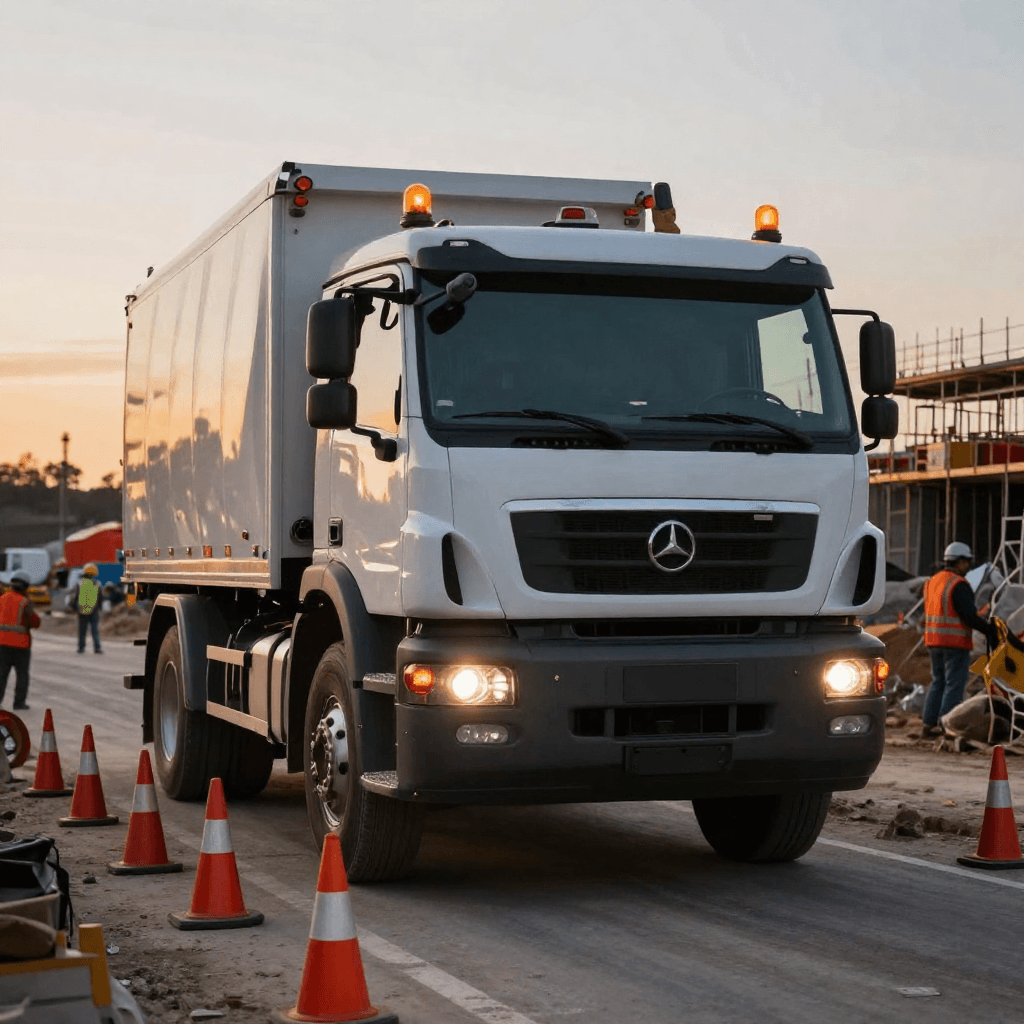
Municipal and utility vehicles, including security fleets, usually need warning lights for slow-moving work, road maintenance, public service, or work zone safety.
Common products include:
- Mini LED light bars
- Beacon lights
- Surface mount lights
- Directional warning lights
- Amber warning lights
These vehicles may not require the same setup as police, fire, or EMS vehicles, but they still need reliable warning visibility in demanding environments.
Installation Tips for LED Warning Lights
Correct installation is just as important as product selection.
Even a high-quality warning light may fail to perform well if it is wired incorrectly, mounted poorly, or installed in the wrong position.
Follow the Wiring Diagram Carefully
Many LED warning lights include multiple wires.
These wires may control:
- Positive power
- Ground
- Flash pattern selection
- Synchronization
- Alternating flash
- Controller connection
- Low-power mode
- Color switching
If these wires are connected incorrectly, the light may not turn on, may flash abnormally, or may not synchronize with other warning lights.
Installation Note from Customer Support
One of the most common installation problems we see after customers receive LED warning lights is incorrect wiring.
Some buyers assume the wiring is simple, but emergency warning lights may have more control functions than ordinary vehicle lamps. If the wires are connected without checking the diagram, the product may not work as expected.
To avoid this issue, we always advise customers to strictly follow the wiring diagram in the product manual. For emergency vehicle applications, it is also better to have the lights installed by a professional vehicle upfitter or qualified technician to help preserve system reliability.
This is especially important when the vehicle uses multiple lights, a central controller, a switch, siren integration, or synchronized flash patterns.
Check Voltage Compatibility
Before installation, confirm the vehicle electrical system and product voltage.
Common options include:
- 12V
- 24V
- 10-30V wide voltage
- 12-24V systems
A voltage mismatch may cause unstable performance or product damage. For mixed fleets, wide-voltage products may be more convenient.
Confirm Mounting Stability
The mounting method should match the vehicle and operating speed.
Common mounting options include:
- Permanent bolt mounting
- Bracket mounting
- Magnetic mounting
- Surface mounting
- Pipe mounting
Magnetic lights may be useful for temporary applications, but permanent mounting is usually more stable for professional emergency vehicles.
For roof-mounted light bars, the installer should check the roof structure, mounting surface, cable entry point, and sealing method.
Test Before Final Installation
Before final installation, test the warning light system.
Check:
- Power connection
- Flash patterns
- Color functions
- Controller operation
- Synchronization
- Mounting angle
- Visibility from the front, side, and rear
- Waterproof sealing around cable entry points
Testing before final mounting can reduce rework and prevent avoidable installation problems.
What to Consider Before Bulk Purchasing Emergency Vehicle LED Warning Lights
Bulk purchasing is different from buying one sample.
When buying for a fleet, distributor, government project, or vehicle upfitting program, buyers should look beyond the unit price and make sure the product features and available configurations match the fleet application.
The three most important points we usually recommend checking are brightness, IP waterproof rating, and certification standards, and bulk buyers often compare a wide selection of options rather than focusing only on unit price.
Brightness
Brightness affects how clearly the warning signal can be seen in real traffic conditions.
A warning light should perform well in:
- Daytime
- Nighttime
- Rain
- Fog
- Dust
- Roadside environments
- Work zones
However, brightness should not be considered alone. Optical design, lens structure, LED quality, flash pattern, and installation angle also affect visibility.
For example, a light with strong brightness but poor optical distribution may still fail to provide effective warning from certain angles.
IP Waterproof Rating
Emergency vehicle LED warning lights are often exposed to rain, dust, road spray, washing, vibration, and outdoor temperature changes.
The IP Code, defined under IEC 60529, classifies the degree of protection provided by enclosures against dust, accidental contact, and water ingress. It provides more specific information than vague marketing terms such as “waterproof” or “water resistant.”
For outdoor vehicle lighting, an IP rating is important because the product may face harsh working environments over a long service life.
When comparing products, buyers should check whether the supplier clearly states the IP rating and whether the rating matches the application.
Certification Standards
Certification standards are important for professional applications.
Depending on the market, buyers may need to consider standards or requirements related to:
- Emergency vehicle lighting
- Vehicle electrical systems
- EMC performance
- IP protection
- Regional vehicle lighting rules
- Fire apparatus or ambulance standards
- Color and flash pattern regulations
For example, NFPA 1900 covers firefighting vehicles, automotive fire apparatus, wildland fire apparatus, and automotive ambulances, replacing several earlier NFPA apparatus standards.
In Europe and other UNECE-related markets, vehicle lighting approvals may involve UNECE regulations, and Regulation No. 65 is associated with special warning lamps for blue and amber flashing lights.
The key point is simple: certification requirements are not the same in every country. Buyers should confirm the target market before placing a bulk order.
Bulk Purchase Advice from Our Experience
For bulk orders of emergency vehicle LED warning lights, we usually advise customers not to make decisions based only on price.
From our experience, buyers should pay special attention to three key points:
- Brightness
- IP waterproof rating
- Certification standards
Brightness determines whether the warning signal can be clearly seen in real road conditions. The IP rating affects outdoor durability and water resistance. Certification standards are especially important for professional emergency vehicles and public service fleets.
A lower-priced product may seem attractive at first. But if it lacks sufficient brightness, waterproof protection, or compliance support, it may lead to higher maintenance costs, project delays, or customer complaints later.
Product Outline: Recommended LED Warning Light Categories
Below is a practical product outline for buyers, distributors, and vehicle upfitters.
Full-Size LED Light Bars
Best for:Police vehicles, fire trucks, ambulances, rescue vehicles, and command vehicles.
Main advantages:Strong visibility, multiple color options, wide coverage, high-performance output, broad functionality, controller compatibility, and professional emergency use.
Key points to check:
- Product length
- Color configuration
- Flash patterns
- Mounting brackets
- Voltage
- Waterproof rating
- Controller options
- Certification requirements
A full-size LED light bar is usually the main warning device on an emergency vehicle, engineered for maximum visibility.
Mini LED Light Bars
Best for:
Tow trucks, service vehicles, utility vehicles, construction vehicles, and municipal fleets.
Main advantages:
Compact size, easy installation, flexible mounting, and cost-effective warning.
Key points to check:
- Magnetic or permanent mounting
- Amber warning option
- Vehicle roof compatibility
- Cable length
- Flash patterns
- Waterproof rating
Mini light bars are a good option when the vehicle needs warning visibility but does not require a full emergency light bar system.
LED Beacon Lights
Best for:
Municipal vehicles, road maintenance vehicles, tow trucks, work trucks, forklifts, and industrial vehicles.
Main advantages:
Compact design, 360-degree visibility, simple installation, and reliable warning function.
Key points to check:
- Mounting type
- Lens material
- LED power
- Voltage
- Flash pattern
- IP rating
- Color option
Beacon lights are often used for warning, caution, and work zone applications.
Grille and Surface Mount Lights
Best for:
Police vehicles, ambulances, fire command vehicles, rescue vehicles, and auxiliary warning layouts.
Main advantages:
Small size, strong directional warning, flexible installation, and easy combination with other lights.
Key points to check:
- Lighthead size
- Mounting screws
- Sync function
- Cable design
- Front or rear visibility
- Color options
- Flash pattern control
Grille and surface mount lights are useful when buyers need extra warning coverage without installing another roof light.
Directional Warning Lights
Best for:
Traffic control vehicles, tow trucks, highway service vehicles, road maintenance fleets, and accident response vehicles.
Main advantages:
Traffic direction, rear warning, lane guidance, and work zone safety support.
Key points to check:
- Arrow patterns
- Controller function
- Rear visibility
- Mounting position
- Product length
- Flash modes
- Weather resistance
Directional warning lights are especially useful when vehicles stop near traffic or need to guide drivers away from a hazard.
Compliance and Safety Considerations
Emergency vehicle lighting rules vary by country, state, region, and vehicle type.
A color that is legal for one type of vehicle in one market may be restricted in another market. For example, many jurisdictions reserve blue or red lights for police, fire, or medical emergency vehicles, while amber is often used for tow trucks, utility vehicles, construction vehicles, and other service vehicles.
In the United Kingdom, blue warning beacon use is restricted to emergency or authorized vehicles under vehicle lighting regulations.
Because of these differences, buyers should confirm:
- Allowed warning light colors
- Vehicle category
- Flash pattern requirements
- Mounting rules
- Certification requirements
- Import and market compliance
- Whether the vehicle is an emergency vehicle or service vehicle
This is especially important for distributors and fleet buyers selling or operating in multiple markets.
Quick Selection Checklist
Use this checklist before choosing LED warning lights for emergency vehicles.
LED warning lights check list
| Selection Point | Why It Matters |
| Vehicle type | Different vehicles need different warning layouts |
| Application scenario | Police response, fire rescue, EMS, towing, and work zones have different needs |
| Installation position | Roof, grille, side, rear, and surface mounting require different products |
| Product size | The light must fit the vehicle properly |
| Brightness | Affects visibility in real road conditions |
| IP waterproof rating | Affects outdoor durability |
| Certification standards | Important for professional and compliant use |
| Voltage | Prevents electrical mismatch |
| Wiring diagram | Helps avoid installation mistakes |
| Mounting method | Affects stability and safety |
| Professional installation | Reduces wiring and system problems |
FAQ About LED Warning Lights for Emergency Vehicles
How do I choose the right LED light bar for my vehicle?
Start with the vehicle type, working scenario, installation position, and suitable product size, because the best choice depends on the vehicle’s specific needs.
Do not choose only by price or appearance. A police car, ambulance, tow truck, and municipal vehicle may need different emergency light bars or other warning layouts.
What is the most common installation mistake?
One common mistake is incorrect wiring.
Many LED warning lights include wires for power, ground, flash patterns, synchronization, or controller connection. Always follow the wiring diagram in the product manual. For emergency vehicle applications, professional installation is recommended.
What should I check before buying LED warning lights in bulk?
For bulk purchases, focus on brightness, IP waterproof rating, certification standards, and product features.
These three details affect real visibility, outdoor durability, and professional compliance.
For urgent projects, available stock and how fast suppliers can ship may also matter.
Are amber warning lights suitable for all emergency vehicles?
Not always.
Amber lights are commonly used for tow trucks, utility vehicles, construction vehicles, and municipal vehicles in many markets. However, police, fire, and ambulance vehicles may require red, blue, white, or mixed color configurations depending on local laws.
Can I install LED warning lights by myself?
Simple warning lights may be installed by users with basic electrical knowledge.
However, for emergency vehicles, multi-light systems, controller systems, or synchronized warning layouts, installation by a qualified vehicle upfitter or technician is recommended.
What IP rating should I choose for vehicle warning lights?
The right IP rating depends on the working environment.
For outdoor emergency or service vehicles, buyers should choose products with suitable dust and water protection. The IP Code helps describe protection levels against solids and liquids more clearly than general terms like “waterproof.”
Conclusion
Choosing LED warning lights for emergency vehicles is not only about brightness or price.
A good selection should match the vehicle type, actual working scenario, installation position, product size, waterproof performance, and local compliance requirements.
Based on our experience, many selection problems happen because buyers choose a light bar before confirming the vehicle and installation position. Many installation problems happen because the wiring diagram is not followed carefully. For bulk purchasing, the three details that deserve special attention are brightness, IP waterproof rating, and certification standards.
If you are selecting LED warning lights for emergency vehicles, service fleets, municipal vehicles, or vehicle upfitting projects, share your vehicle type, installation position, and target market requirements with our team. We can help recommend suitable LED light bars, beacon lights, grille lights, surface mount lights, and directional warning lights for your application.